Inclusion Bases in Primary: Examples from Practice — Amy Baxter and Kerry Brown
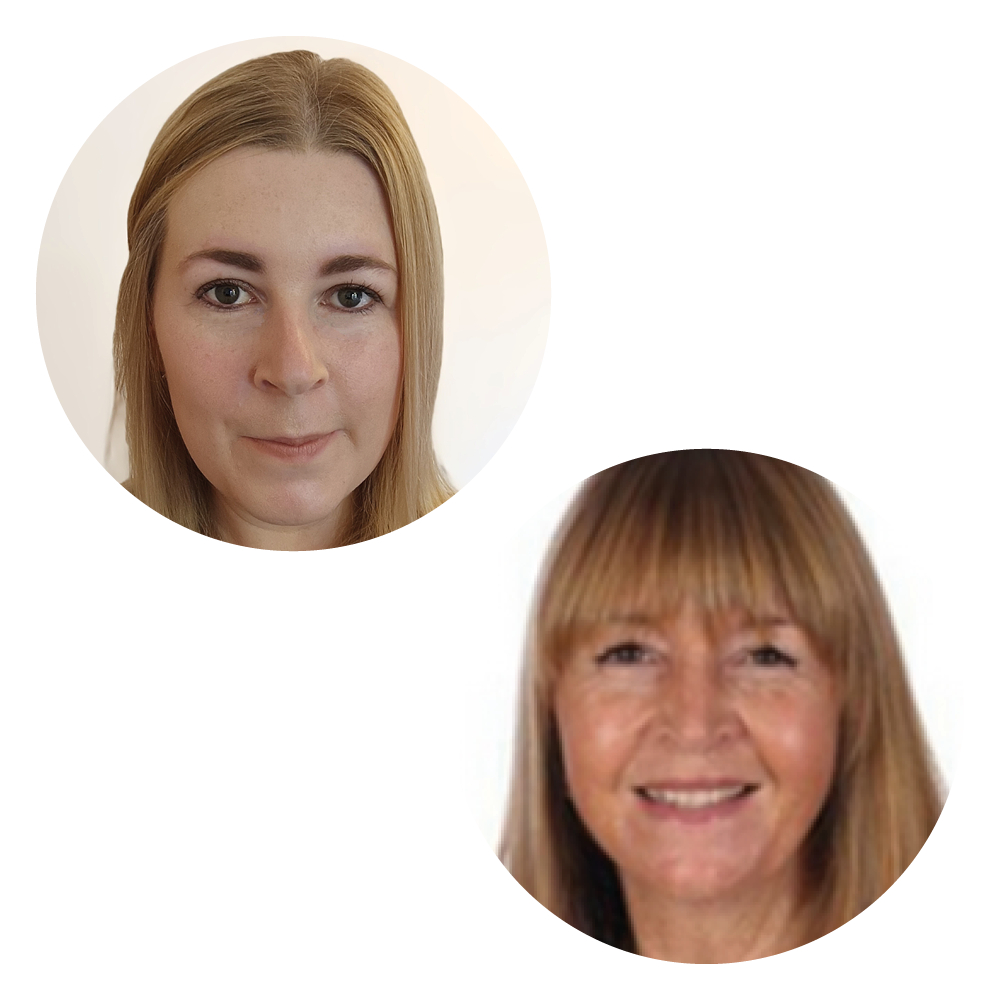
Amy Baxter and Kerry Brown are experienced Trust SEND leaders supporting schools to develop and enhance their mainstream and specialist provision. This session focusses on effective practice setting up and improving inclusion bases in primary settings. The session will provide practical, implementable, real-world examples that leaders can adapt and apply in their own settings.
About the speakers
Amy brings over 20 years of experience supporting children and young people with disabilities, having progressed from youth work and classroom support roles into teaching and senior leadership positions. She holds a BA in Disability Studies, a PGCE with QTS, an MA in SEN & Inclusion, the NPQSL, and is currently completing the NPQH. Her career spans both mainstream and special education across the 3–19 age range, including roles as a SENDCo and Designated Safeguarding Lead. Committed to inclusive practice, Amy believes in the power of reflection and collaboration to drive meaningful change and specialises in developing and coaching SEND practice through the design and delivery of bespoke training across varied educational settings. In her current role, she provides strategic advice, support, and training on SEND across 38 academies, leading SENDCo networks and promoting inclusive, solution-focused approaches—particularly within 26 primary academies—while also offering external training and advisory support to schools, trusts, and organisations to strengthen inclusive practice more broadly.
Kerry Brown is a Primary Phase SENCO within Lift Schools, Vice Principal, and Inclusion Lead in Hull, with 25 years of experience dedicated to improving outcomes for children and young people. A passionate advocate for inclusive education, she is committed to reshaping SEND for the 21st century so that every learner feels a true sense of belonging and can thrive.
Driven by the belief that high expectations should be matched by the right support, Kerry works to challenge perceptions, remove barriers, and create opportunities where others see limitations—turning the impossible into the possible for every child.