Enduring values in primary education — Mark Taylor and Robert Young
Should we be talking about enduring values or should we be articulating a new set of values for a radically changing society, a rapidly advancing technology and a shifting political context? Are we in danger of nostalgia at the expense of pragmatism? Is there a way of looking forward constructively without losing sight of those principles which have been at the heart of good practice?
When reflecting on your own professional development and your work in education since induction into the profession, to what extent, if at all, have your values remained stable and permanent or have they undergone significant change over the years? If so, how have they changed and why? What would you see as the critical values which inform your approach?
What do you see as the key influences in shaping your philosophy of teaching? Is it to do with upbringing, key figures encountered in training or INSET, challenges posed by particular children, religious inspiration, particular texts or something else? Does this myriad of influences make for continuity in your approach to teaching or discontinuity in the sense of radically shifting one’s direction as a teacher?
About the speakers
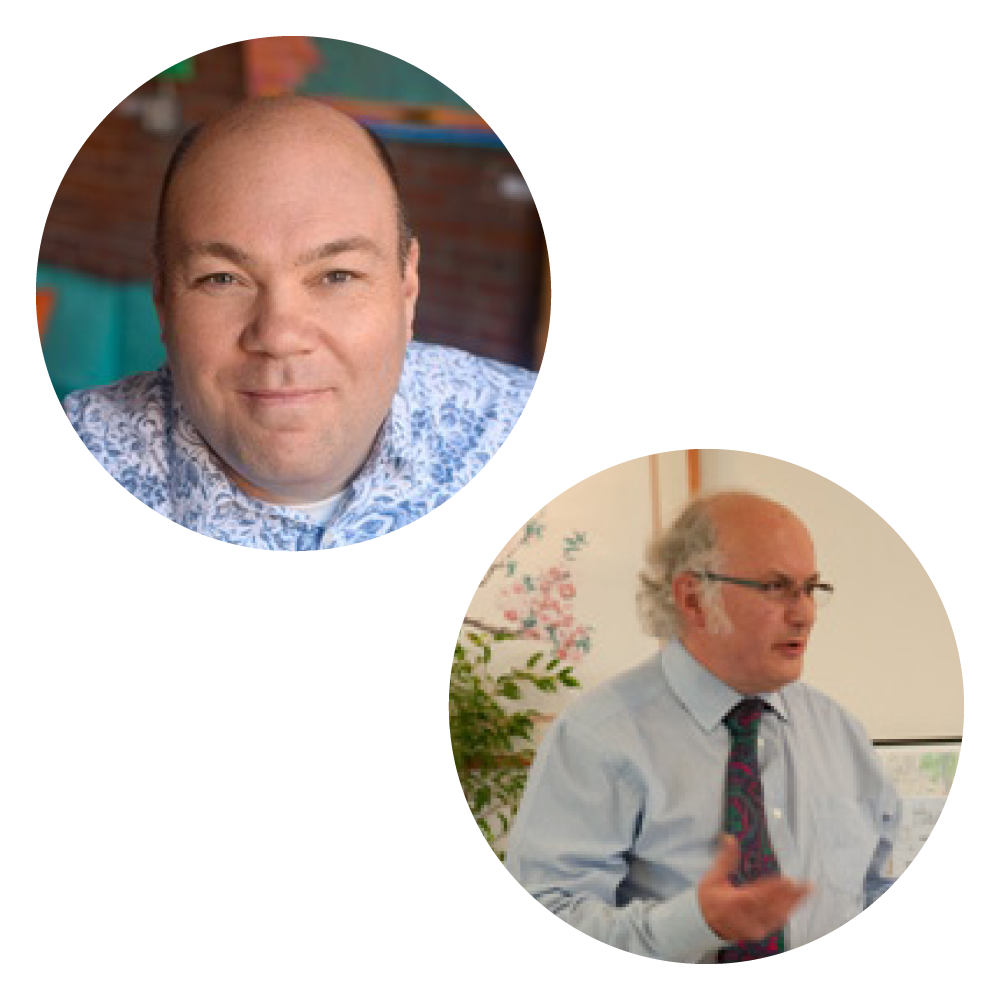
Mark Taylor BMus (Hons) is a professional musician and educator with over 25 years of experience, a podcast host, and Vice Chair of the National Association for Primary Education. He is the founder and host of Education on Fire — a podcast dedicated to interviewing educators from around the world. Launched in 2016 and now with over 500 episodes, its mission is simple: to help teachers, parents, and mentors support children in living, learning, and growing to their full potential. Mark believes that when children find what they love, learning becomes a pathway to their dreams.
Robert’s professional background is in initial teacher education, having been involved in higher education since 1973, and retiring from full-time work and the role of Director of Learning and Quality for the University of Greenwich School of Education in 2007. On the national front he was very active in a leadership role in the National Primary Teacher Education Council, serving initially as its Secretary and then as Chair. Fuelled by a strong commitment to the celebration of best practice in primary education, he played a formative role in the establishment of the SE London branch of the National Association for Primary Education (NAPE), which was uniquely based on a close partnership between the University of Greenwich and local schools. Semi-retirement has enabled him to contribute to the co-ordination of NAPE at a national level and he is currently its General Secretary, combining this with administrative responsibilities for the Primary Umbrella Group, a forum for representatives from the teaching unions and associations like NAPE, with a strong interest in primary education. Another key area of interest has been school governance, serving as a Chair of Governors of a Greenwich Primary School and relishing the close contact with a vibrant school community and the opportunities to experience some inspirational practice.