The power of learner voice — Amber Stamp-Dunstan and Ava McAuley
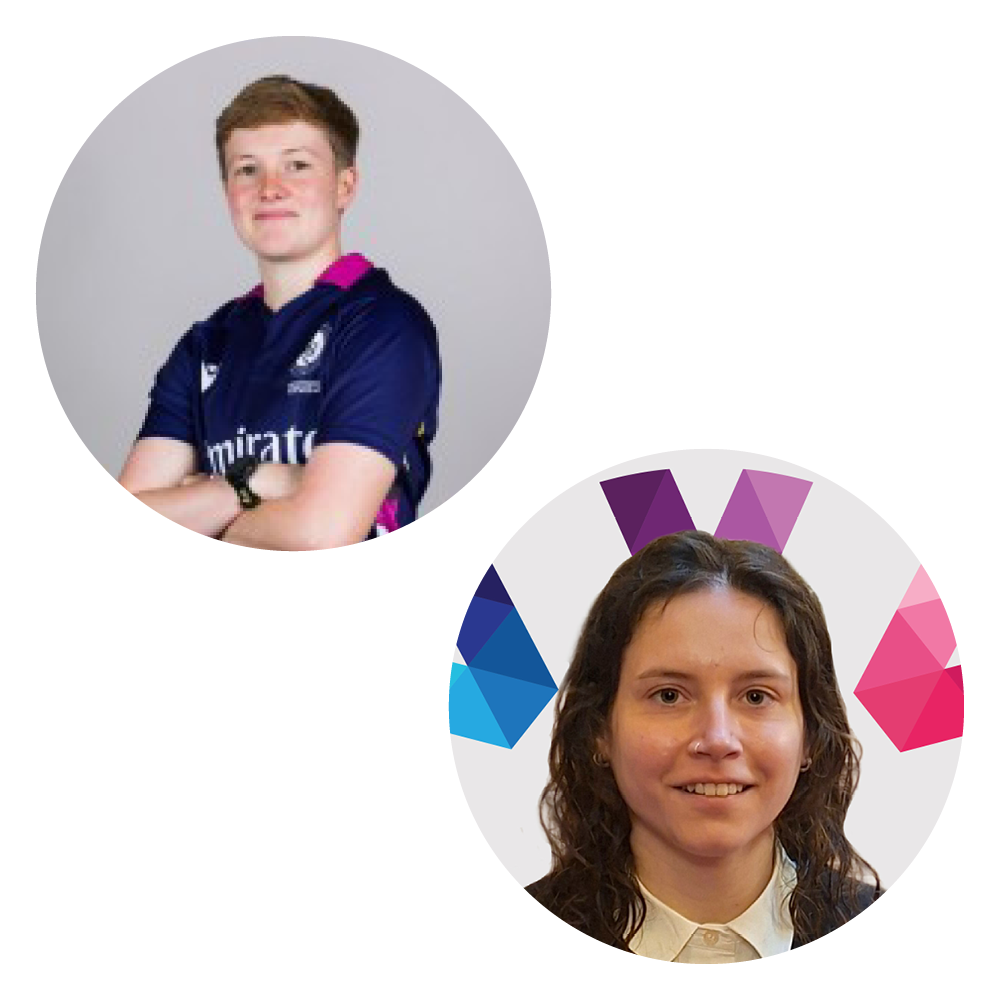
This session will explore what meaningful learner voice looks like in practice and why it matters for belonging, confidence and inclusion. Through lived experience, research and practical examples, Amber Stamp-Dunstan and Ava McAuley will challenge tokenistic approaches to participation and consider how schools and organisations can create spaces where all learners feel heard, valued and able to influence change. Drawing on the Lundy Model of Participation and ASDAN’s developing learner voice initiatives, the session will explore learner voice as a way to build agency, leadership and community, particularly for learners who may often feel unseen within education.
About the speakers
Amber Stamp-Dunstan is a Education, Research and Innovation Coordinator at ASDAN, where she leads work around learner voice through the development of ASDAN Champions, the ASDAN Youth Council, and the ASDAN Alumni Network. Her work focuses on creating meaningful opportunities for learners to feel listened to, valued, and actively involved throughout their learning journey. A Cardiff Metropolitan University graduate with First-Class Honours in Sports Management, Amber’s research explored the importance of real-world learning experiences and youth leadership development. She is passionate about learning for life, meaningful learner engagement, and creating environments where young people understand the purpose behind their learning.
Ava McAuley is an autistic trainer, speaker and advocate who uses lived experience to influence practice and improve outcomes for autistic learners. Drawing on her own educational journey, she is passionate about learner voice, inclusion and personalised approaches that enable young people to thrive. Ava has spoken at national conferences and contributes to discussions on education, neurodiversity and participation. Through training, speaking and advocacy, she encourages organisations to move beyond consultation towards meaningful involvement, ensuring learners feel heard, valued and able to shape the decisions that affect their lives.