Effective adaptive teaching for inclusive classrooms: what are we adapting to, and why? — Margaret Mulholland
Adaptive teaching is everywhere in policy rhetoric – but what exactly are we adapting to, and why? This session reframes adaptive teaching as an evidence-informed, inclusive cycle of proactive, interactive and retroactive adaptation, rooted in formative assessment and learner agency, rather than a new label for differentiation or set of predefined classroom strategies.
About the speaker
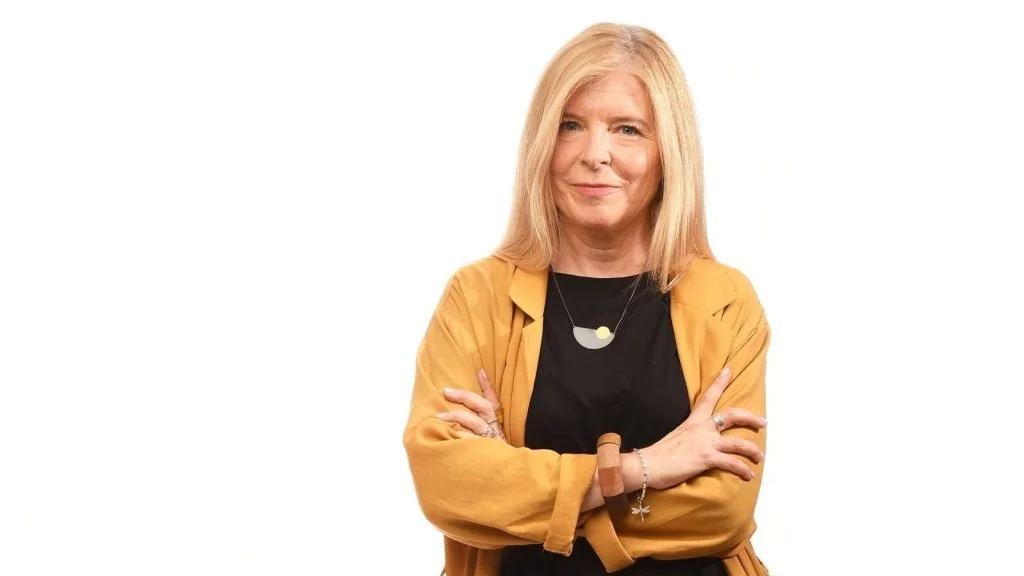
Margaret Mulholland is an inclusion consultant, policy specialist and regular commentator in the education press on leadership and inclusion. Margaret is an Honorary Norham Fellow at the Department of Education, University of Oxford, SEND policy lead for the Association of School & College Leaders and sits on several boards including OCR’s Inclusion Board, Garrison Schools Project Board and Whole Education’s SEND Advisory Board. She is External Adviser on SEND for States of Jersey and writes a monthly column for TES. Margaret works with schools and trusts across the UK to support inclusive school improvement.